
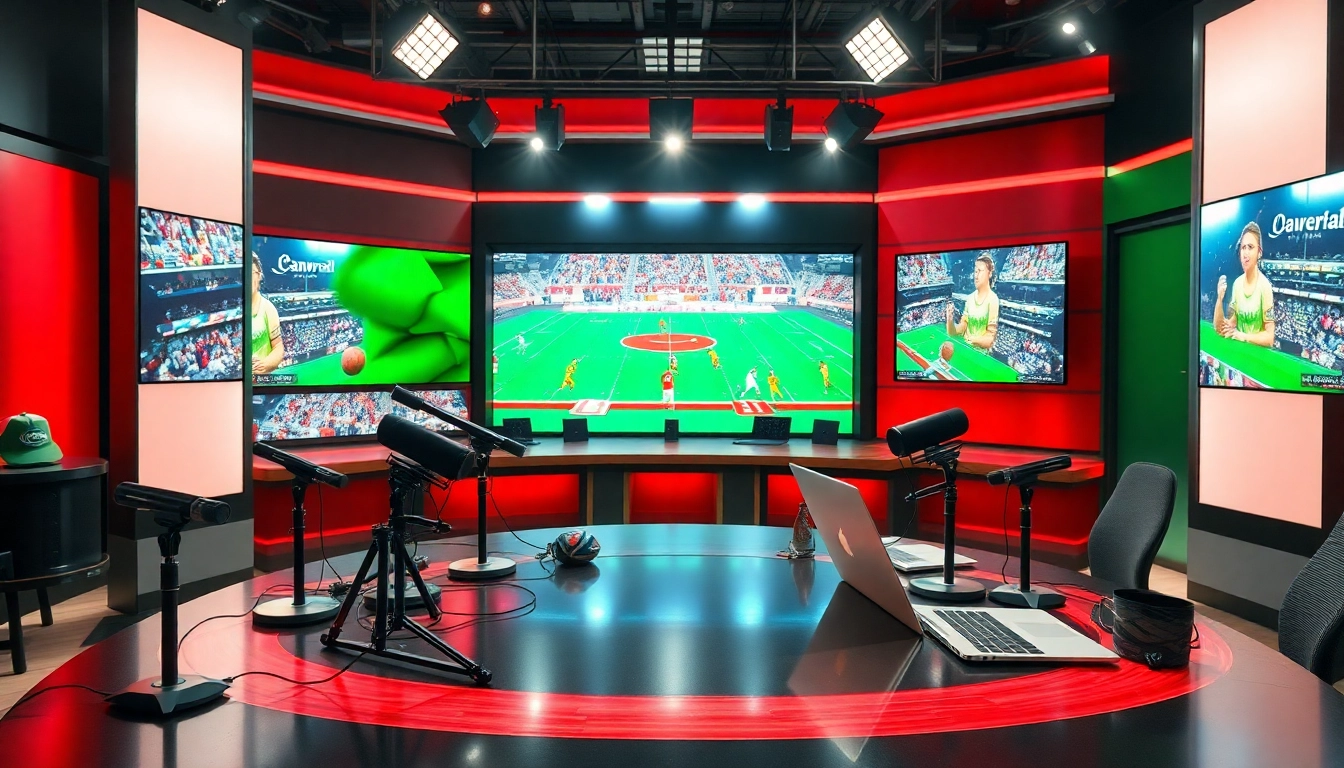
Understanding Sports Broadcasting
Sports Broadcasting is a multifaceted field that encompasses the transmission of live and recorded sporting events through various media. This includes traditional television, radio, and increasingly, online platforms. As audiences evolve, so too does the way sports are presented and consumed. The significance of Sports Broadcasting lies not just in the games themselves, but in how these events create a shared experience among fans worldwide.
Historical Context of Sports Broadcasting
The journey of sports broadcasting began in the early 20th century with radio broadcasts of boxing matches and baseball games. The first official television broadcast of a sports event occurred in the 1930s, laying the groundwork for what would become a global phenomenon. As the decades progressed, technological advancements enabled wider reach and improved quality, leading to a booming market for sports broadcasting rights.
The Evolution of Broadcasting Technologies
From black-and-white broadcasts to high-definition and 4K streaming, the evolution of technology in sports broadcasting has been rapid. Each advancement allows for more immersive viewing experiences, such as instant replays and multi-angle views. Interactive technologies, such as apps for real-time statistics, have also emerged, engaging younger audiences and enriching their viewing experiences.
Key Players in the Industry
The sports broadcasting industry involves various players, including television networks, streaming services, and sporting organizations. Rights holders negotiate deals with broadcasters, which often fetch billions, influencing how games are consumed worldwide. The dynamics between these players are shaped by viewer demand, technological capabilities, and changing consumer behaviors.
Current Trends in Sports Broadcasting
Rise of Streaming Services
The past decade has seen a significant rise in streaming platforms dedicated to sports, fundamentally changing how audiences access content. Services like Netflix, Amazon Prime, and specialized sports networks have disrupted traditional broadcasting models. They allow for flexibility, offering viewers the chance to watch games on-demand, which is a significant shift from the rigid scheduling of conventional television.
Interactive Viewing Experiences
Modern viewers desire more than just passive viewing; they seek interactivity. Platforms are now offering features like live chats, polls, and fantasy sports integration that enhance engagement. This interactivity forms a community around sports events, enabling fans to share experiences in real-time, thus increasing overall viewer satisfaction.
Data-Driven Broadcasting
Data analytics plays a pivotal role in modern broadcasting. Using viewer data, broadcasters can tailor content to meet audience preferences, presenting relevant statistics and insights in real-time during events. This data-driven approach ensures viewers remain engaged and informed, tapping into their interests effectively.
Challenges Facing Sports Broadcasting
Censorship and Regulation Issues
As with any media form, sports broadcasting faces various censorship and regulatory challenges. Different countries impose diverse laws on content, including restrictions on broadcasting certain events. These regulations affect how games are shown, particularly in the realm of sports betting and gambling advertisements, which can detract from the viewing experience.
Impact of COVID-19
The COVID-19 pandemic had an unprecedented impact on live sports and broadcasting. Many events were canceled or postponed, leading broadcasters to seek creative solutions. Virtual fans, remote commentary, and alternative content significantly altered the viewing landscape, demonstrating resilience and adaptability in the face of adversity in sports broadcasting.
Competition from Other Media
Traditional broadcasters now compete with an explosion of content available on social media, gaming platforms, and user-generated content. As on-demand entertainment options grow, engaging viewers with high-quality sports broadcasts becomes more crucial. Adapting to this competitive landscape is essential to retain a loyal audience base.
Best Practices for Sports Broadcasting
Engaging the Audience
To foster a loyal viewership, broadcasters must engage their audience effectively. Interactive segments, user-generated content, and social media integrations can provide a platform for fans to express their thoughts and opinions. Encouraging fan involvement through live polls or Q&As during broadcasts can elevate the overall experience.
Leveraging Technology for Enhanced Experience
The use of technology in broadcasting has proven vital in enhancing the viewer experience. Innovations in augmented reality (AR) can provide immersive pre-game experiences, while 360-degree videos can allow fans to feel as if they’re part of the action. Streaming quality also plays a crucial role in viewer retention and satisfaction.
Maintaining Ethical Standards in Broadcasting
Maintaining trust with viewers is imperative for broadcasters. Ethical practices involve transparency regarding advertisement placements, the integrity of content, and fair representation of events. Upholding ethical standards not only safeguards the broadcaster’s reputation but also fosters a stronger connection with the audience.
Future Innovations in Sports Broadcasting
Augmented and Virtual Reality Opportunities
Augmented and virtual reality represent the next frontier for sports broadcasting. These technologies can offer interactive and immersive experiences that transport fans right into the arena. Imagine watching a game from the perspective of a player or analyzing plays in a three-dimensional space directly from home.
AI Integration in Commentating
Artificial intelligence is set to revolutionize commentary in sports broadcasting. AI can analyze plays and provide real-time analysis, delivering enhanced insights that traditional commentators may miss. This technology not only augments the viewing experience but also allows for a more data-driven narrative throughout the games.
Emerging Markets and Global Reach
As sports grow in popularity worldwide, emerging markets present significant opportunities for broadcasters. Utilizing localized content, language options, and culturally relevant programming can help broadcasters penetrate new markets effectively. Tailoring strategies to meet local interests will be crucial for global expansion.
Frequently Asked Questions
What is Sports Broadcasting?
Sports broadcasting refers to the dissemination of live and recorded sports events through various media channels, including television and online platforms, to engage audiences worldwide.
What are the key trends in Sports Broadcasting today?
Current trends include the rise of streaming services, interactive viewing experiences, and increased use of data analytics to enhance viewer engagement and content personalization.
What challenges does Sports Broadcasting face?
Challenges include regulatory issues, competition with other media forms, and adapting to audience demands amid technological changes and unexpected global events like COVID-19.
How can broadcasters improve audience engagement?
Improving audience engagement can be achieved through interactive features, personalized content delivery, and harnessing social media to create dynamic viewer experiences during broadcasts.
What innovations are shaping the future of Sports Broadcasting?
Innovations such as augmented reality, AI-driven commentary, and global distribution strategies are transforming how audiences experience sports broadcasting, enhancing accessibility and engagement.